
 By Aleks
Updated October 2026: Credit card funding limits have dropped a lot since we wrote this. Gesa no longer takes cards, and Hanscom and KeyPoint have cut their limits, so we've updated the list below.
And the biggest benefit of them all... you can fund them with credit cards!
Following up to our previous post on funding bank accounts with credit cards, here we share a similar method: Funding a Certificates of Deposit (CD) with a credit card. The pros and cons of this method are similar to the previous method, so we’ll keep this post brief.
What is a CD?
Borrowing from a more reliable source:
A certificate of deposit, or CD, is a type of savings account offered by banks and credit unions. You generally agree to keep your money in the CD without taking a withdrawal for a specified length of time. Withdrawing money early means paying a penalty fee to the bank.
Simply put, it is an account that you put money in, and you cannot withdraw it for some period of time. When the time period is up, you are guaranteed your initial investment plus some amount of interest. If you withdraw the funds before the time is up, you will be penalized.
Fortunately, some institutions allow you to fund your CD using a credit card.
The great thing is you can do this as many times as you want. Once your CD expires, you can go ahead and fund a new one! This is unlike bank account funding, which is typically 1-time only.
Are there any risks associated with this?
There are a few obvious risks with this play that you should be aware of.
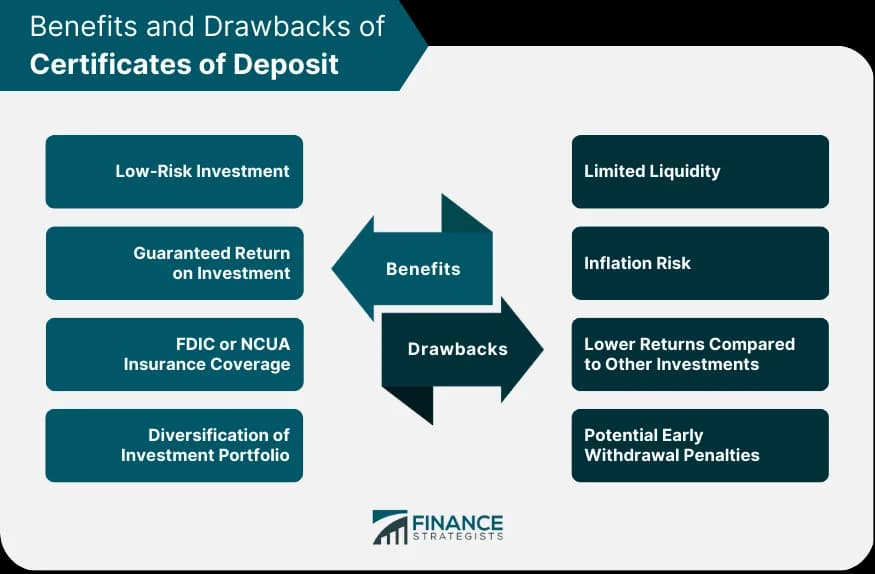
First, if you withdraw your money before the agreed-upon time period, you will be penalized some amount of money. You should read the fine-print in your agreement with the financial institution to see the specific penalties. This will probably be some monetary penalty, on the order of $20.
Now, this risk comes back to rule #1 of manufactured spending: Don't play this game with money you might need anytime soon!
The second point, not so much a risk, is the opportunity cost of putting your money in a CD. Say you are putting your money in a 12-month CD that will earn you 1% interest. With that same amount of money, you could have put it in a high-yield savings account that would have earned you 4-5% interest. So you are giving up some amount of potential interest by putting your money in a CD. Of course, hopefully by doing MS, you are earning a significantly greater amount of value by putting your money in a CD.
Which accounts can I fund with a credit card?
Liberty Federal Credit Union (formerly Evansville Teachers FCU) has historically allowed up to $1,200 in credit card funding for new accounts, but the newest data points are from early 2023, so check recent comments before you apply.
GESA Credit Union used to allow CD purchases with a credit card, but it no longer accepts credit cards for opening deposits.
Hanscom Federal Credit Union used to offer $2,000 in credit card funding, but Doctor of Credit now lists just $100, so it's not worth it for MS anymore.
KeyPoint Credit Union allows about $500 in credit card funding, per Doctor of Credit. Many cards code it as a cash advance, so check with your card issuer first. Your ChexSystems report is pulled for each CD opened.
Comments 4 comments
Questions and datapoints from readers.



"Evansville Federal Teachers Credit Union offers $1,200 in credit card funding for new accounts. Your Chexsystem report is not pulled for subsequent CDs." - Is the credit card funding only for the first CD I buy ("new accounts")?
Can certificates be opened and cc funded online for the 3 cu s above, or is a branch visit required? What are the membership requirements for each? Any email to contact them? I saw none of these for Evansville cu.
Also, for each, is cc funding a purchase or cash advance?
GESA says no credit cards, probably got too much traffic from blogs